
Vertigo Treatment in Chicago
At Chiropractic Chicago, Dr. Elissa Grossman focuses on carefully evaluating and addressing vertigo and balance-related conditions.
Vertigo often feels sudden, but Dr. Grossman explains that symptoms like spinning, dizziness, or unsteadiness are rarely random. In many cases, balance problems develop over time due to changes in how the neck, nervous system, and posture are functioning together.
At Chiropractic Chicago, each patient receives a detailed examination of balance, posture, spinal alignment, and neurological function. Based on findings, care may include gentle chiropractic adjustments, movement guidance, and balance-focused support designed to help restore proper communication within the nervous system.
What Causes Vertigo?
Vertigo can develop from several different systems within the body. Common causes include:
- Inner Ear Disturbances: Changes within the inner ear can disrupt balance signals sent to the brain, leading to spinning or dizziness.
- Cervical Spine and Neck Dysfunction: Restricted movement or joint dysfunction in the neck can interfere with nervous system signaling involved in balance and coordination.
- Postural and Movement-Related Factors: Altered posture, head positioning, or movement patterns can affect how the brain processes balance information.
Identifying which system is involved is essential for guiding effective and appropriate care.
How Do We Diagnose the Root Cause of Vertigo?
At Chiropractic Chicago, diagnosis begins with a comprehensive evaluation rather than assumptions.
This may include:
- Physical and neurological assessment to understand how the nervous system is functioning.
- Review of symptom patterns, triggers, and daily movement habits.
- Postural analysis to identify imbalances affecting balance and stability.
- Neck mobility and joint movement evaluation.
- Balance and coordination testing.
Dr. Grossman explains findings clearly so patients understand what may be contributing to their vertigo. As she describes it, diagnosis is a “compilation of different exams,” allowing the full picture to come together.
Vertigo Treatment Plan
Vertigo treatment is individualized and guided by examination findings.
Your care plan may include:
- Personalized, exam-driven care tailored to your presentation.
- Conservative, non-invasive treatment strategies.
- Gentle spinal and neck adjustments when appropriate to restore motion and reduce nervous system interference.
- Balance and movement guidance to support coordination.
- Ongoing reassessment to monitor progress and response.
Dr. Grossman explains that the goal is to help restore proper communication between the spine, nervous system, and balance centers so the body can stabilize more effectively over time.
Vertigo and Balance Disorder Patient Case Study
Patient info: Middle-aged adult patient (approximately 40–60 years old) presenting with neck discomfort and balance disruption affecting daily activities.
Symptoms: The patient reported persistent neck pain with radiating symptoms into the shoulder and arm, along with a sense of unsteadiness and difficulty feeling stable during routine movement and positional changes.
Root cause analysis: Dr. Grossman’s examination identified cervical spine dysfunction contributing to nerve irritation. As she explains in the transcript, when cervical nerves are under pressure, the brain may not receive clear positional and movement information, which can negatively impact balance and coordination even if inner-ear symptoms are not dominant.
Treatment plan: Care focused on restoring proper cervical motion and reducing nerve pressure. Treatment included gentle chiropractic adjustments to the neck, supportive in-office therapies, and movement guidance, with progress monitored closely and care adjusted based on the patient’s response.
Outcome, results: Within the first month of care, the patient experienced resolution of arm pain, approximately 80% improvement in neck symptoms, and noticeably improved balance and confidence with daily movement. Ongoing reassessment guided continued care without guarantees or exaggerated claims.
Vertigo Patient Testimonials & Reviews
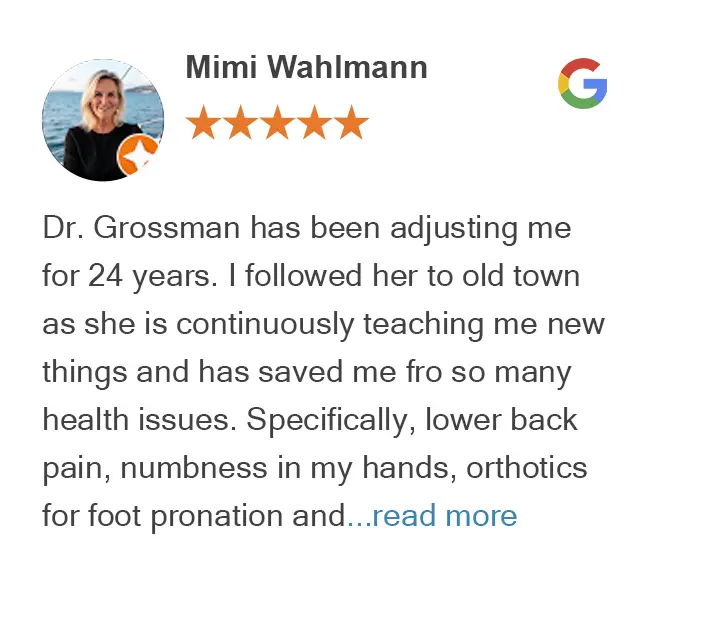
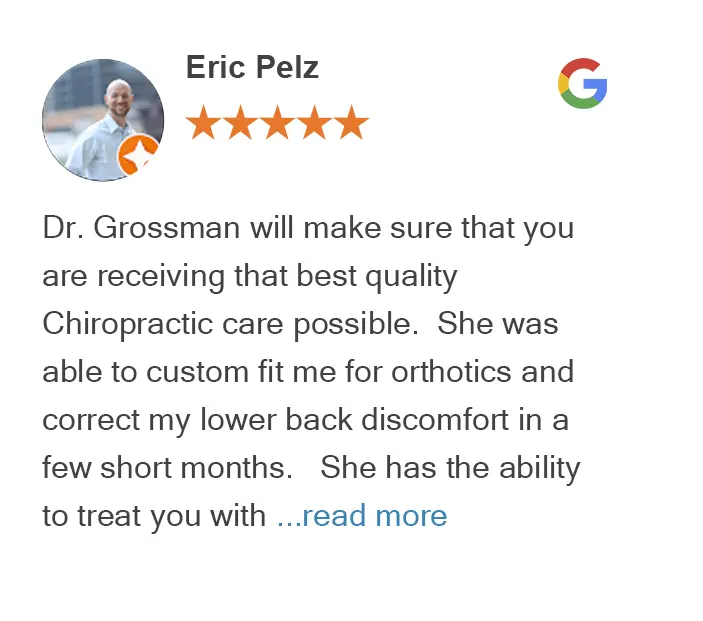



Vertigo Treatment Specialists in Chicago
Dr. Elissa Grossman has experience evaluating and treating patients with vertigo and balance-related conditions in Chicago. Care is guided by detailed clinical evaluation, attention to neurological function, and patient education.
At Chiropractic Chicago, patients value the time spent explaining findings and the conservative approach to care. As Dr. Grossman often emphasizes, restoring proper movement and nervous system communication is key to long-term stability.
Schedule a Vertigo Consultation in Chicago
If you are experiencing vertigo pain, Dr. Elissa Grossman, DC can help identify the cause and create a personalized care plan. Call (312) 248-3002 or Book Online using the booking tool below:
Vertigo Patient FAQs
What is vertigo?
Vertigo is the sensation of spinning or movement when the body is still. It differs from general dizziness and often involves balance system dysfunction.
What are the common types of vertigo?
- Benign Paroxysmal Positional Vertigo (BPPV): Triggered by specific head movements.
- Vestibular neuritis and labyrinthitis: Related to inner ear inflammation.
- Cervicogenic vertigo: Associated with neck dysfunction.
What symptoms are commonly associated with vertigo?
- Spinning sensations
- Balance problems
- Nausea
- Unsteadiness
- Difficulty focusing
How does the spine and nervous system affect vertigo?
The spine and nervous system play a major role in balance and coordination. Disruption in these areas can alter how balance signals are processed.
Can vertigo go away on its own?
Some cases improve, but when vertigo is linked to neck or nervous system dysfunction, symptoms may persist without addressing contributing factors.
What chiropractic techniques are used for vertigo treatment?
Care is gentle and may include cervical adjustments, posture-focused care, and balance-based strategies guided by examination findings.
What results can you expect from vertigo treatment?
Many patients experience gradual improvement in balance, reduced dizziness, and better daily function over time.
When should you seek treatment for vertigo?
You should seek treatment if vertigo episodes are recurring, worsening, or interfering with daily activities such as walking, driving, or working.
What is the fastest way to relieve vertigo symptoms?
The fastest relief depends on identifying the underlying cause. Temporary strategies may help, but lasting improvement comes from addressing the source.
Can chiropractic treatment cure vertigo?
Chiropractic care does not claim to cure vertigo. Care focuses on addressing contributing factors such as neck dysfunction or nervous system involvement.
How many sessions are usually needed for vertigo treatment?
The number of sessions varies based on the type of vertigo, severity, and response to care. Progress is monitored and adjusted.
Is vertigo treatment painful?
Vertigo treatment is designed to be gentle and comfortable. Most patients describe care as calm and reassuring.
When should I see a doctor or chiropractor for vertigo?
Seek care if vertigo persists, worsens, or affects balance and safety. Immediate medical evaluation is recommended for severe neurological symptoms.