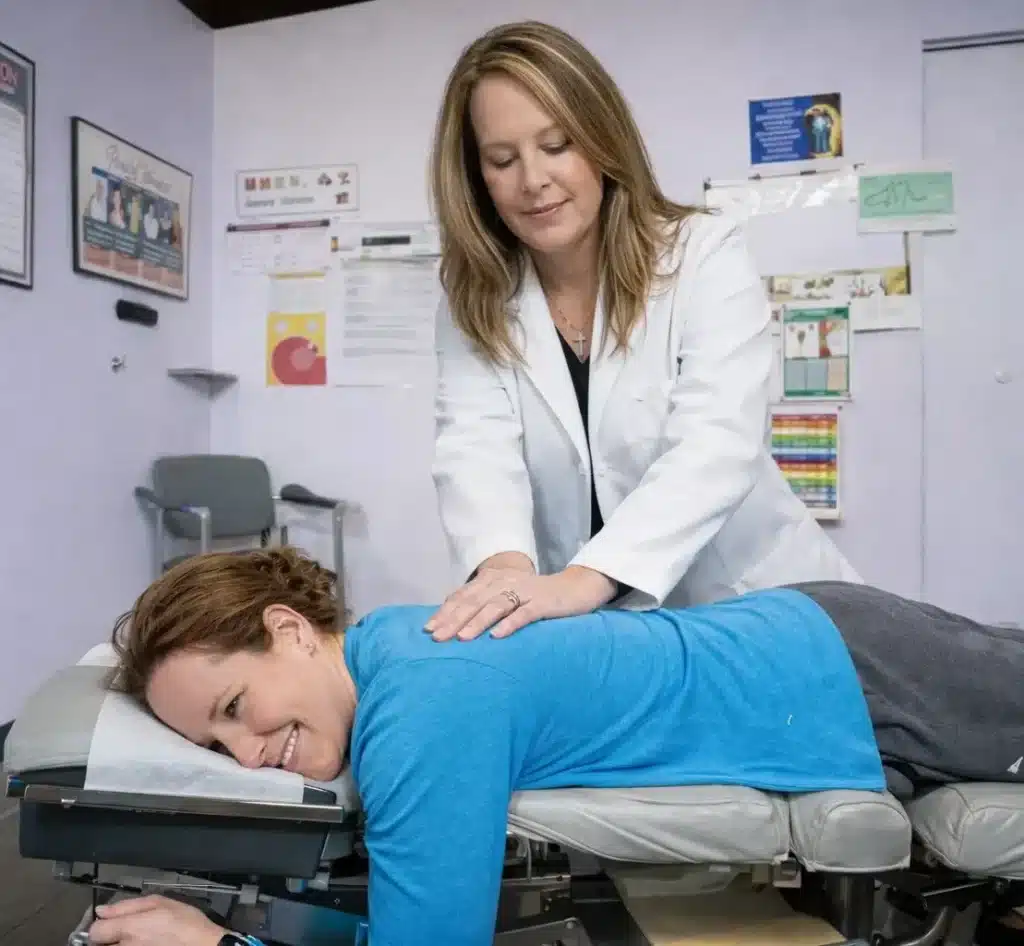
Shoulder Pain Treatment in Chicago
Many patients come to us after weeks or months of shoulder pain that slowly worsened. If you are unsure whether your shoulder pain is coming from an injury, posture, or nerve involvement, you are not alone. Shoulder pain can feel confusing, especially when movement becomes restricted or irritated even without a clear injury.
Dr. Elissa Grossman has treated many patients in Chicago with shoulder pain related to movement issues, nerve irritation, and joint dysfunction. At Chiropractic Chicago, care focuses on understanding how the shoulder works with the neck, upper back, and arms, not just where the pain is felt.
As Dr. Grossman often explains, shoulder symptoms are commonly connected to how the neck and spine are moving. Your first visit is centered on listening, careful evaluation, and creating a treatment plan that supports safe, long-term shoulder function.
Call (312) 248-3002 to schedule your complimentary consultation.
What are the reasons of Shoulder pain?
Shoulder pain often develops from a combination of joint stress, muscle imbalance, and movement dysfunction. In many patients, the discomfort is not coming from the shoulder alone. How the neck and upper back move and support the shoulder often plays a major role in why pain starts and why it lingers.
- Poor posture or rounded shoulders, which place ongoing strain on the shoulder joints and surrounding muscles.
- Repetitive overhead activity, commonly related to work tasks, sports, or daily routines that overload the shoulder.
- Muscle strain or tendon irritation, often caused by overuse, sudden movements, or poor movement patterns.
- Joint restriction in the shoulder or upper spine, which limits normal motion and increases mechanical stress.
- Nerve irritation from the neck, allowing pain to travel into the shoulder, arm, or upper back.
- Sudden lifting or twisting movements, which can aggravate already stressed joints and tissues.
- Previous injuries, even older ones, that change how the shoulder functions over time.
- Age-related wear, which can reduce joint resilience and adaptability.
Because the shoulder works closely with the neck and upper spine, identifying all contributing factors is essential for effective, long-term relief.
Types of Shoulder Pain We Treat
Shoulder pain does not always feel the same from one person to another. Some conditions develop gradually, while others are tied to posture, nerve involvement, or past injuries. Identifying the specific type of shoulder pain helps guide the right care approach.
- Frozen shoulder (adhesive capsulitis), where stiffness and restricted movement gradually limit daily activities.
- Shoulder impingement patterns, caused by poor joint mechanics that pinch tissues during movement.
- Rotator cuff strain or irritation, often linked to overuse, repetitive motion, or weakened support muscles.
- Shoulder pain related to neck nerve involvement, where irritation in the cervical spine refers pain into the shoulder or arm.
- Postural shoulder instability, commonly associated with rounded shoulders and prolonged sitting or desk work.
- Pain following prior injury or surgery, where movement compensation or stiffness continues after healing.
Each type of shoulder pain requires careful evaluation to understand what is driving the symptoms, not just where the pain is felt.
Uncommon Shoulder Conditions We Also Treat
Some shoulder conditions present with less obvious symptoms and are often misunderstood or overlooked. These patterns can still significantly affect comfort, sleep, and daily function if left unaddressed.
- Pain when lifting the arm, which may indicate joint restriction or muscle imbalance.
- Pain reaching overhead or behind the back, often associated with mobility limitations or coordination issues.
- Shoulder stiffness or reduced mobility, making routine movements feel tight or restricted.
- Pain that travels into the arm, commonly linked to nerve irritation rather than a local shoulder injury.
- Weakness or early fatigue in the shoulder, especially during repetitive or sustained activities.
- Night pain or discomfort while sleeping, which may worsen when the shoulder cannot tolerate certain positions.
Understanding how these symptoms appear and progress allows care to focus on restoring balanced movement and reducing unnecessary strain on the shoulder and surrounding areas.
How do we diagnose the root cause of the Shoulder pain?
At Chiropractic Chicago, diagnosing shoulder pain starts with understanding how your shoulder functions as part of the entire movement system. Dr. Elissa Grossman focuses on identifying patterns of restricted motion, imbalance, or nerve irritation that may be contributing to your symptoms, not just where the pain is felt.
- Review of symptom history and daily activities, to understand when pain began and what movements aggravate it.
- Postural assessment, to identify rounded shoulders, head position, or spinal stress affecting the shoulder.
- Shoulder range of motion testing, to evaluate mobility limitations and discomfort patterns.
- Muscle strength and flexibility evaluation, to detect imbalances or weakness supporting the joint.
- Joint movement assessment, to identify restrictions in the shoulder, upper back, or neck.
- Neck and upper spine evaluation, since nerve irritation often contributes to shoulder pain.
- Neurological screening, when symptoms suggest nerve involvement.
- Imaging when appropriate, used selectively to clarify findings when needed.
Dr. Grossman explains the findings clearly so you understand what is contributing to your shoulder pain and how care will be tailored to your needs.
Benefits of Chiropractic Shoulder Pain Treatment
Chiropractic care for shoulder pain focuses on improving how the joints, muscles, and nerves work together. Rather than masking symptoms, care is designed to reduce mechanical stress and support healthier movement patterns over time.
- Improved shoulder mobility, allowing easier and more comfortable movement.
- Reduced muscle tension, helping tight or overworked muscles relax.
- Better coordination between the shoulder and neck, which supports smoother motion.
- Improved posture support, reducing ongoing strain on the shoulder joint.
- Less discomfort during daily activities, such as lifting, reaching, or sleeping.
- Support for long-term joint health, by addressing movement dysfunction early.
Care is always individualized and adjusted based on comfort, progress, and how your body responds.
Shoulder Pain Treatment Plan
Each shoulder pain treatment plan is personalized based on exam findings, symptom severity, and functional goals. Dr. Grossman’s approach emphasizes restoring balanced movement and reducing stress on irritated joints and nerves.
- Gentle joint adjustments when appropriate, to improve motion and relieve joint restriction.
- Techniques to improve shoulder and upper spine movement, supporting healthier mechanics.
- Soft tissue support for surrounding muscles, to reduce tension and improve flexibility.
- Postural and ergonomic guidance, helping minimize strain during work and daily routines.
- Movement and activity recommendations, tailored to protect the shoulder during recovery.
- Stretching and strengthening support, to improve stability and prevent recurrence.
The goal of care is to help the shoulder move more freely, reduce irritation, and support safe, long-term function without relying on invasive or medication-based approaches.
Shoulder Pain Patient Case Studies
Patient info: Adult male patient with a physically demanding routine who presented with combined shoulder, arm, and neck discomfort that was affecting daily function.
Symptoms: Persistent shoulder pain with pain traveling into the arm, accompanied by neck discomfort and movement-related irritation.
Root cause analysis: Examination showed the shoulder and arm pain were not isolated to the shoulder joint. Dr. Grossman identified nerve irritation originating from restricted movement in the neck, which was referring pain into the shoulder and arm.
Treatment plan: Care focused on chiropractic adjustments to restore proper motion and reduce nerve pressure, use of shockwave therapy to support tissue healing, and guided in-office exercises. Home exercises were introduced as symptoms improved to support stability and recovery.
Outcome, results: The patient experienced complete resolution of arm pain, and neck and shoulder pain improved by approximately 80 percent within the first month, allowing a return to daily activities with significantly less discomfort.
Shoulder Pain Patient Testimonials & Reviews
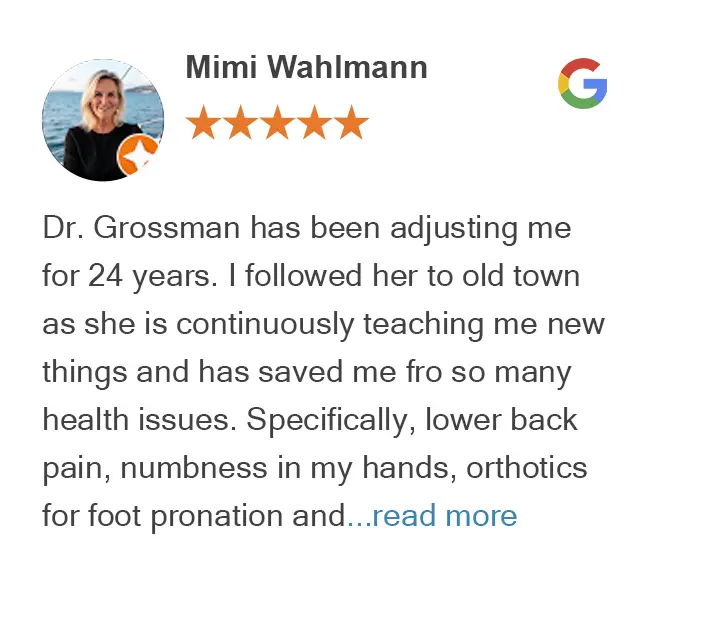
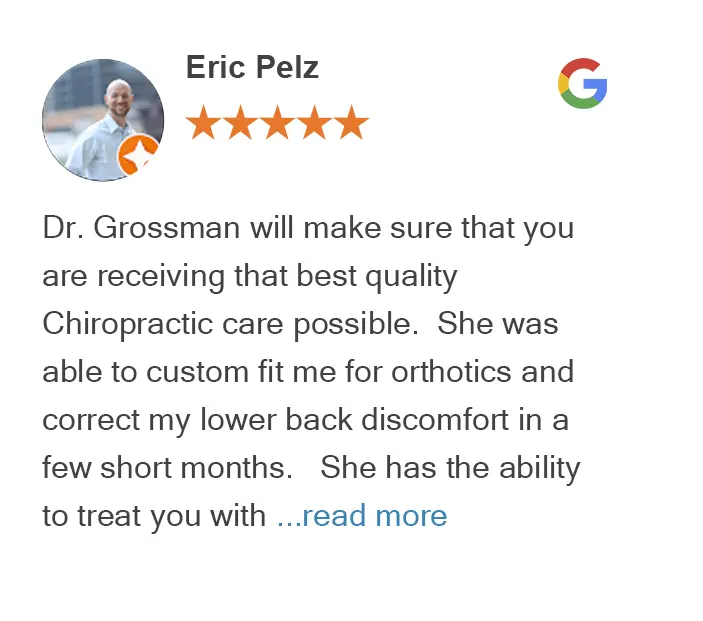
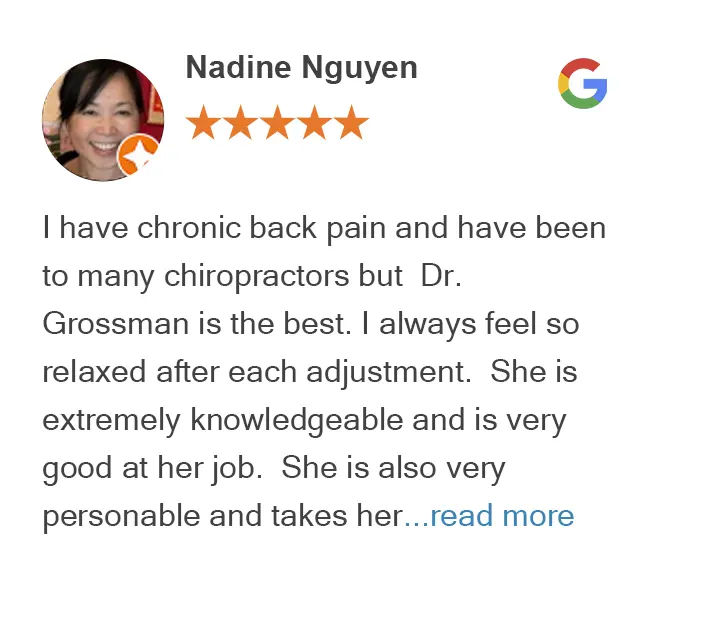


Shoulder Pain Treatment Specialists in Chicago
Dr. Elissa Grossman has experience treating a wide range of shoulder pain conditions in Chicago, including cases related to nerve irritation from the neck. At Chiropractic Chicago, care emphasizes accurate diagnosis, patient education, and conservative, non-invasive treatment. Dr. Grossman works closely with patients to support safe recovery and long-term shoulder health, helping them understand how spinal movement influences shoulder function.
Book Complimentary Consultation for Shoulder Pain Treatment in Chicago
If shoulder pain is limiting your movement or lingering without clear answers, a focused evaluation can help clarify what is contributing to your symptoms. To schedule a consultation, call (312) 248-3002 or use the booking tool below:
Can chiropractic help frozen shoulder or severe stiffness?
Chiropractic care can support joint mobility and surrounding movement patterns, especially when stiffness limits daily activity, by addressing restrictions in both the shoulder and upper spine.
Can a chiropractor help a pinched nerve in my shoulder?
Shoulder pain related to nerve irritation often involves the neck or upper spine. Chiropractic care focuses on reducing pressure and restoring motion in these contributing areas.
Should I see a doctor or chiropractor for shoulder pain?
Evaluation is recommended when pain persists, movement is limited, or daily activities are affected. Chiropractic care emphasizes conservative assessment and movement-based treatment.
What Causes Shoulder Pain to Worsen Over Time?
Poor posture, limited movement, and compensation patterns can increase strain on the shoulder if the underlying mechanics are not addressed.
Home remedies for Shoulder Pain treatment
Home care can help manage symptoms between visits. Resting from aggravating movements reduces irritation, ice or heat can support comfort, gentle shoulder stretching maintains mobility, posture awareness limits strain, and avoiding heavy lifting during flare-ups prevents setbacks. Home care supports comfort but does not address underlying mechanics.
What is the most common cause of Shoulder Pain?
One of the most common causes is movement dysfunction combined with muscle imbalance and postural stress affecting how the shoulder and neck work together.
What if I have had shoulder surgery already?
Post-surgical shoulder pain or stiffness can often be supported with gentle care focused on mobility and function, once cleared by your surgeon, to help improve comfort and movement safely.