Scoliosis Treatment in Chicago
Being told you or your child has scoliosis can feel confusing and overwhelming. Many patients come to our office with questions about what it means, whether it will worsen, and what can be done without surgery.
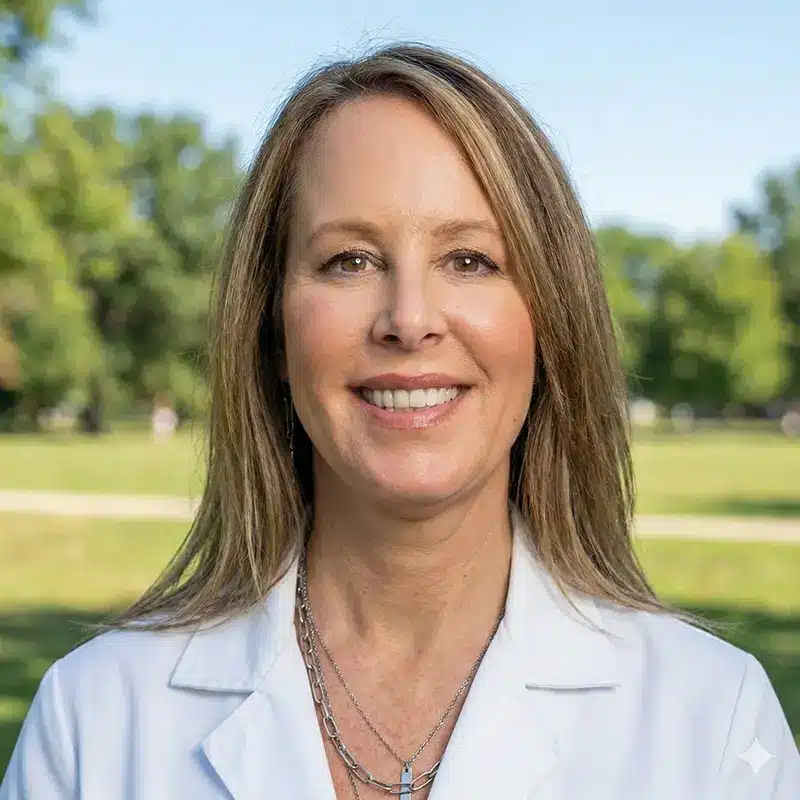
Dr. Elissa Grossman, DC works with both children and adults to improve comfort, posture, and spinal function. At Chiropractic Chicago, care focuses on understanding each curve, reducing strain on the spine, and supporting healthy movement over time.
Your first visit is focused on listening, education, and creating a clear plan that fits your condition and long-term goals.
Call (312) 248-3002 to schedule your complimentary consultation.
What Is Scoliosis?
Scoliosis is a condition where the spine curves sideways rather than staying straight. The curve can be mild or more noticeable and may develop during childhood, adolescence, or adulthood.
Some people experience pain or stiffness, while others notice posture changes before discomfort appears.
Early Symptoms in Children and Teens
Parents may notice early signs such as:
- Uneven shoulders or hips
- One shoulder blade appearing more prominent
- Clothing fitting unevenly
- Changes in posture
- Early evaluation helps guide appropriate care as the child grows.
Symptoms of Adult Scoliosis
Adults with scoliosis may experience:
- Back or neck pain
- Muscle tightness or fatigue
- Stiffness with movement
- Postural imbalance
- Leg or hip discomfort in some cases
- Symptoms often increase when spinal stress is left unaddressed.
Benefits of Chiropractic Care for Scoliosis Treatment
Chiropractic care focuses on improving spinal function and reducing mechanical stress. Benefits may include:
- Improved posture and spinal balance
- Reduced muscle tension
- Improved range of motion
- Better comfort during daily activities
- Support for long term spinal health
- Care is individualized based on age, curve type, and symptoms.
How Scoliosis Is Diagnosed
Diagnosis begins with a thorough evaluation at Chiropractic Chicago. This may include:
- Health and family history review
- Postural assessment
- Spinal movement evaluation
- Digital X rays when needed to assess spinal curvature
- Dr. Elissa Grossman, DC explains the findings clearly and discusses appropriate care options.
Scoliosis Patient Case Studies
Teen Patient With Undiagnosed Scoliosis and Back Pain
Patient Profile: A teenage patient presented with ongoing neck and upper back pain. During the initial examination, previously undiagnosed scoliosis was identified, which explained the postural changes and discomfort they had been experiencing.
Symptoms: The patient reported upper and lower back pain along with noticeable uneven shoulders and poor posture. They also experienced frequent fatigue and muscle tightness, especially after prolonged sitting or school activities.
Diagnosis Process: A detailed postural assessment revealed abnormal spinal curvature, which was further evaluated using orthopedic testing. X-rays were taken to accurately measure the degree of spinal curvature and assess overall spinal alignment.
Treatment Plan: Care focused on chiropractic spinal adjustments to improve mobility and alignment, combined with corrective spinal exercises to stabilize the spine. The patient also received postural training and ergonomic guidance, with ongoing monitoring to track any changes in curve progression.
Outcome: Over time, the patient experienced reduced back pain and visibly improved posture. Spinal stability and mobility increased, and the progression of the spinal curvature was successfully slowed.
Adult Patient With Chronic Pain and Long Standing Scoliosis
Patient Profile: An adult patient with a known history of scoliosis sought care after years without treatment, presenting with chronic neck and back pain that had progressively worsened.
Symptoms: The patient experienced persistent neck and lower back pain, accompanied by muscle tightness, fatigue, and a noticeable limitation in range of motion that interfered with daily activities.
Diagnosis Process: A comprehensive spinal and postural examination was performed, followed by X-rays to evaluate the degree of curvature and any degenerative changes. Functional movement assessments helped identify compensatory patterns contributing to pain.
Treatment Plan: The care plan included chiropractic adjustments to restore joint motion, targeted spinal rehabilitation exercises, and guidance on posture and lifestyle modifications. A long-term stabilization plan was implemented to support lasting improvement.
Outcome: The patient reported a significant reduction in chronic pain, improved spinal flexibility, and better overall function. Daily activities became easier, leading to a noticeable improvement in quality of life.
Scoliosis With Leg Length Discrepancy
Patient Profile: This patient presented with scoliosis that was partially driven by an uneven leg length and resulting pelvic imbalance.
Symptoms: Symptoms included lower back pain, hip and knee discomfort, and visible postural imbalance with gait irregularities during walking.
Diagnosis Process: X-rays were used to measure both spinal curvature and leg length discrepancy. Postural and gait analysis, along with orthopedic testing of the hips and spine, confirmed the mechanical contributors to the condition.
Treatment Plan: Treatment involved chiropractic spinal and pelvic adjustments, the use of heel lifts and custom orthotics to correct leg length imbalance, and spinal stabilization exercises. Progress was monitored regularly to ensure alignment improvements were maintained.
Outcome: The patient showed improved posture and pelvic alignment, reduced back and joint pain, and enhanced walking mechanics with better balance and stability
Severe Congenital Scoliosis With Chronic Disability
Patient Profile: A patient born with severe congenital spinal deformity and limb abnormalities presented with chronic pain and significant functional limitations affecting daily life.
Symptoms: The patient experienced widespread chronic pain, severely limited mobility, pronounced postural deformity, and difficulty performing routine daily activities.
Diagnosis Process: A comprehensive physical and postural examination was conducted, supported by X-rays to assess the extent of spinal deformity. Functional mobility evaluations helped determine realistic care goals.
Treatment Plan: Care focused on gentle chiropractic adjustments aimed at pain relief and improved mobility, along with supportive rehabilitation exercises. Pain management and functional stabilization strategies were emphasized to improve daily function.
Outcome: Within weeks, the patient reported significant pain reduction, improved functional mobility, and an enhanced ability to perform daily activities despite the underlying structural deformity.
Doctor Insight: Scoliosis is more common than most people realize, and many patients respond extremely well to conservative chiropractic care. Even in complex and long-standing cases, a thoughtful, non-invasive approach can improve comfort, function, and overall quality of life.
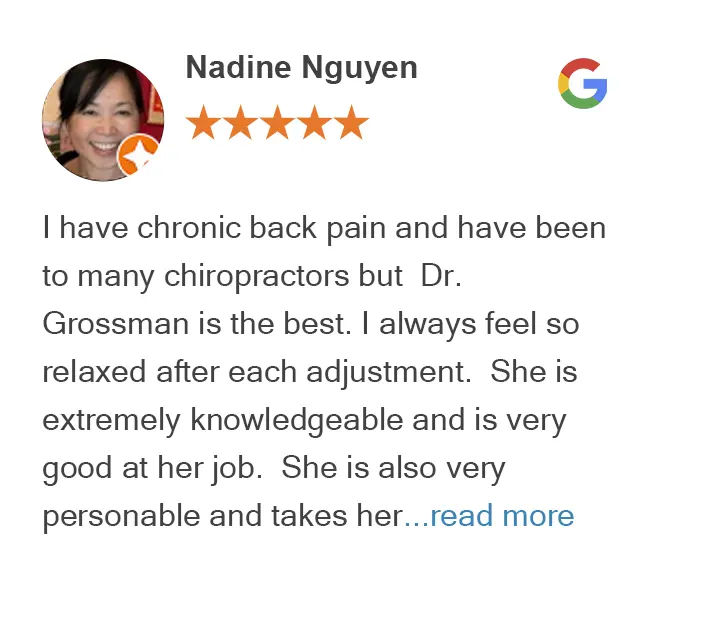
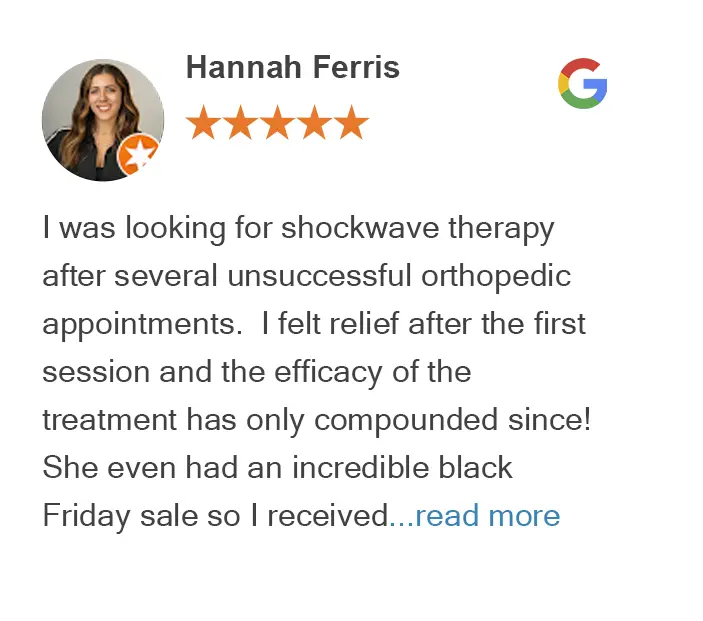
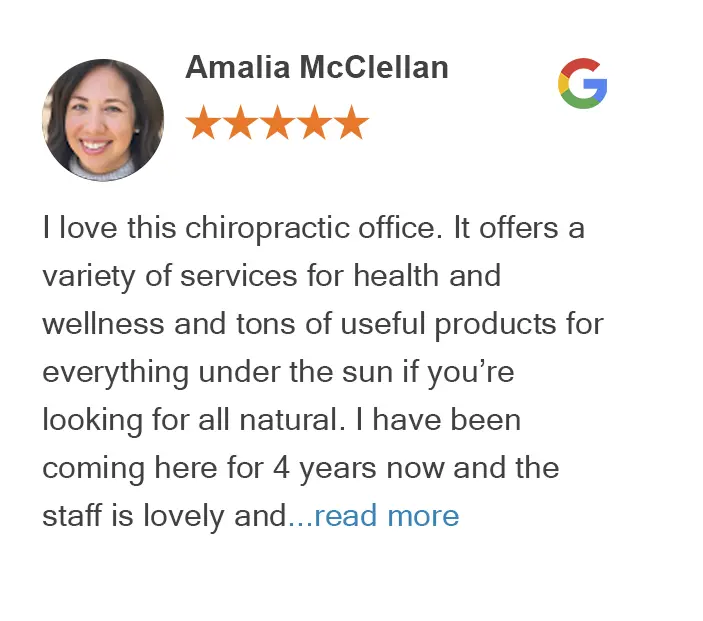
Scoliosis Patient Testimonials & Reviews
Scoliosis Treatment Specialists in Chicago
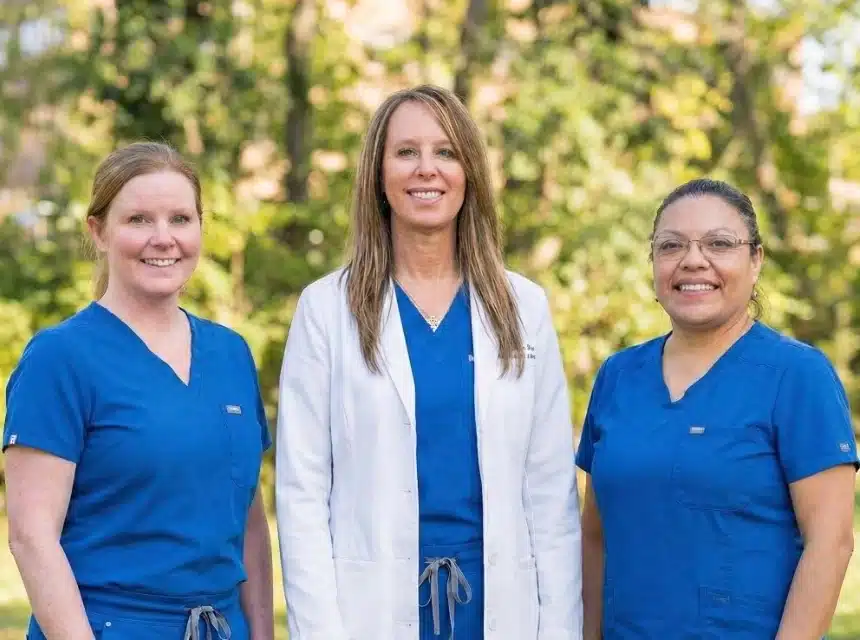
Dr. Elissa Grossman, DC has over 30 years of experience treating both adolescents and adults with scoliosis throughout Chicago. She works with patients who have idiopathic scoliosis, degenerative scoliosis, and scoliosis related to postural or structural imbalances.
At Chiropractic Chicago, care focuses on education, gentle corrective strategies, and long-term support to improve spinal stability and movement. Dr. Grossman works closely with each patient to evaluate spinal alignment, leg-length differences, and compensatory patterns, guiding safe, individualized care aimed at improving comfort and daily function over time.
Book Complimentary Consultation for Scoliosis Treatment in Chicago
If you are experiencing scoliosis pain, Dr. Elissa Grossman, DC can help identify the cause and create a personalized care plan. Call (312) 248-3002 or book online using the booking tool below:
FAQs About Scoliosis Treatment
Can scoliosis be corrected without surgery?
Many mild to moderate cases can be managed conservatively. Care focuses on spinal balance, comfort, and function rather than forceful correction.
Does chiropractic care stop scoliosis progression?
Chiropractic care helps support spinal movement and reduce stress. Progression depends on age, curve type, and growth factors.
Do I need X-rays before starting treatment?
X rays may be recommended to understand spinal structure and curvature. Not every patient needs imaging right away.
When Should You Seek Treatment for Scoliosis?
Evaluation is recommended if posture changes, discomfort, or curvature is noticed at any age.
How long does scoliosis treatment take?
Treatment length varies based on age, curve severity, and individual goals.
Is chiropractic treatment for scoliosis painful?
Care is designed to be gentle and comfortable, especially for children and sensitive patients.
Understanding the Types of Scoliosis?
Idiopathic Scoliosis: This is the most common type and often develops during childhood or the teenage years without a clear cause.
Congenital Scoliosis: This form occurs when the spine develops differently before birth, leading to an abnormal curve as the child grows.
Degenerative Scoliosis: Also called adult-onset scoliosis, this develops later in life due to spinal wear, disc changes, or joint degeneration.