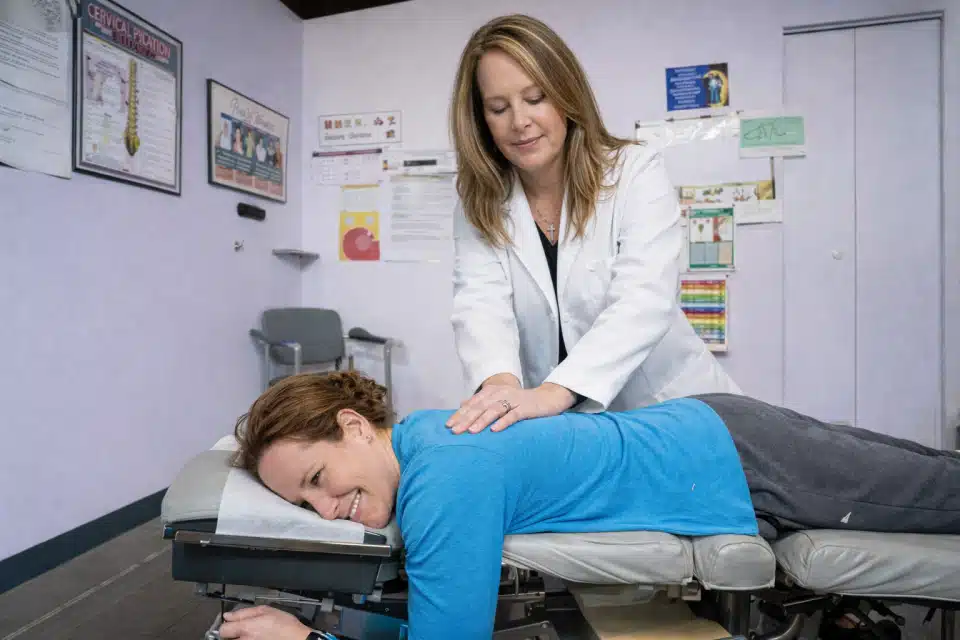
Massage Therapy in Chicago
At Chiropractic Chicago, your chiropractor in Chicago, massage therapy is used as a supportive, hands-on approach to help reduce muscle tension.
Massage therapy helps address chronic muscle tension pulling on the sciatic nerve, complementing sciatica treatment.
Care is often combined with spinal adjustments and tailored to each patient’s condition.
Each session is tailored to your condition, comfort level, and goals, helping you feel supported, relaxed, and confident throughout your care in a calm, professional, patient-focused setting.
What Causes Muscle Tension & Soft Tissue Restriction?
Muscle tension and soft tissue restriction rarely develop overnight. Dr. Grossman explains that altered movement, posture, and long-term mechanical stress can cause muscles to stay tight and overworked. Common contributors include:
- Spinal misalignment and joint restriction: Muscles tighten to protect areas that are not moving properly.
- Repetitive strain and posture stress: Prolonged sitting, standing, or repetitive movements overload certain muscle groups.
- Nerve irritation: Irritated nerves can cause muscles to spasm or remain guarded.
- Injury or trauma: Old injuries may leave lingering muscle tension even after pain subsides.
- Circulation changes: Reduced blood flow can slow tissue recovery and increase stiffness.
Massage therapy helps address these soft tissue components alongside chiropractic care.
How Do We Diagnose Muscle-Related Pain?
Evaluation at Chiropractic Chicago focuses on identifying how muscle tension is contributing to pain or restricted movement. Dr. Grossman’s assessment may include:
- Detailed symptom history: Location of tightness, activity triggers, and duration of symptoms.
- Postural and movement assessment: Identifying muscle imbalance or compensation patterns.
- Palpation of soft tissues: Feeling areas of tension, spasm, or restricted mobility.
- Neurological and orthopedic testing: To determine whether muscle tension is linked to nerve irritation.
This process helps determine when massage therapy is appropriate and how it should be integrated into care.
Massage Therapy Treatment Plan
Massage therapy is used strategically as part of a broader, individualized treatment plan rather than as a one-size-fits-all service. A typical plan may include:
- Targeted therapeutic massage: Focused on muscles contributing to pain, stiffness, or nerve tension.
- Support for spinal adjustments: Relaxing muscles so joints can move more freely during care.
- Circulation support: Helping improve blood flow to irritated or overworked tissues.
- Progressive integration: Massage frequency adjusted as symptoms improve and stability increases.
Dr. Grossman determines when massage therapy is appropriate and how it complements other treatments being used.
Massage Therapy Patient Case Study
Worker With Sciatic Nerve Pain
Patient info: Adult patient with a physically demanding job that required prolonged standing and walking.
Symptoms: Persistent low back pain with pain, numbness, and tingling radiating down the leg. The patient had difficulty walking long distances or sitting comfortably for extended periods.
Root cause analysis: Evaluation showed spinal joint restriction in the lower back with nerve irritation affecting the sciatic nerve. Muscle tension in the surrounding tissues was contributing to ongoing nerve stress.
Treatment plan: Care included chiropractic adjustments to restore spinal motion, therapeutic massage to address muscle tension pulling on the sciatic nerve, and supportive in-office therapies to improve circulation and comfort.
Outcome, results: Over time, the patient experienced significant improvement, reporting reduced leg pain, improved walking tolerance, and better overall function. At follow-up, improvement was estimated at approximately 75–80 percent.
Desk-Based Professional With Chronic Neck and Shoulder Tension
Patient info: Office-based professional in the late 40s who spent long hours working at a desk with prolonged sitting and screen use.
Symptoms: Chronic neck and shoulder tightness, upper back stiffness, and frequent tension-related discomfort that worsened by the end of the workday. The patient also reported reduced neck mobility and difficulty maintaining comfortable posture while working.
Root cause analysis: Evaluation showed postural strain and restricted motion in the cervical and upper thoracic spine. Muscle tension in the neck, shoulders, and upper back was contributing to joint restriction and ongoing discomfort.
Treatment plan: Care included therapeutic massage focused on releasing chronic muscle tension in the neck and upper back, combined with chiropractic adjustments to restore spinal motion. Posture awareness and simple movement guidance were introduced to support daily work activities.
Outcome, results: Over time, the patient reported reduced muscle tightness, improved neck mobility, fewer tension flare-ups during the workday, and improved overall comfort while sitting and working.
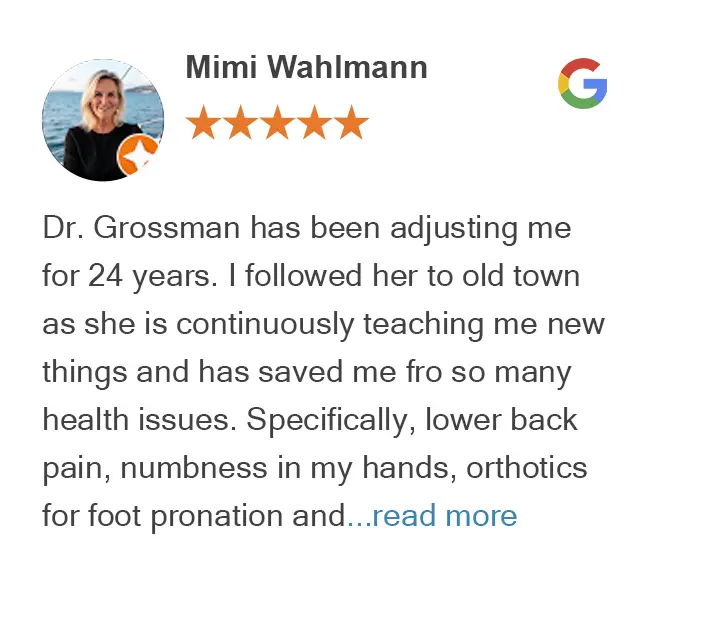
Massage Therapy Patient Testimonials & Reviews




Doctor Experience in Coordinated Soft Tissue Care
Dr. Elissa Grossman regularly integrates massage therapy into care plans when muscle tension is contributing to nerve irritation or restricted movement. Massage therapy is used to support spinal adjustments, improve tissue response, and help patients progress more comfortably through care. When massage is not appropriate or additional care is needed, referrals are made to ensure safe and effective treatment.
Book An Appointment
If muscle tension, stiffness, or soft tissue restriction is affecting your comfort or limiting your progress with chiropractic care, massage therapy may be a helpful part of your treatment plan. Schedule a consultation at Chiropractic Chicago to learn whether massage therapy is appropriate for you.
Call (312) 248-3002 or Book Online using the booking tool below:
What is therapeutic massage therapy?
Therapeutic massage focuses on muscles and soft tissues to reduce tension, improve circulation, and support movement and recovery.
Is massage therapy used alone or with chiropractic care?
Massage therapy is often used alongside chiropractic care to help muscles relax and support better adjustment outcomes.
Does massage therapy help nerve pain?
Massage may help reduce muscle tension that contributes to nerve irritation, but it does not directly treat nerve damage.
How often should I receive massage therapy?
Frequency depends on your condition, response to care, and overall treatment plan.
Is massage therapy painful?
Massage pressure is always adjusted to your comfort level. It should feel therapeutic, not painful.