
Neuropathy and Numbness Treatment in Chicago
At Chiropractic Chicago, Dr. Elissa Grossman provides conservative care for patients experiencing neuropathy and numbness. Tingling, burning, or loss of sensation in the hands or feet can be concerning, especially when symptoms persist or gradually worsen. Although these sensations may feel localized, Dr. Grossman often explains that they can be related to nerve irritation that originates elsewhere in the body, including the spine.
At Chiropractic Chicago, time is taken to examine spinal movement, posture, and nerve function to identify contributing mechanical factors. Care recommendations are based on examination findings and focused on supporting healthy nerve communication and movement. Call (312) 248-3002 or book online to get started.
What Causes Neuropathy and Numbness?
Neuropathy can develop from multiple contributing factors rather than a single cause. In many cases, nerve irritation is linked to mechanical stress, reduced joint mobility, or prolonged pressure along the spine or extremities. Common contributors include:
- Spinal joint dysfunction, which may reduce space or movement around nerve pathways
- Poor posture or repetitive strain, placing ongoing stress on nerves over time
- Disc changes or joint degeneration, affecting how nerves exit the spine
- Metabolic or systemic conditions, such as diabetes, that impact nerve health
Identifying the root cause helps guide appropriate care decisions and determine whether conservative treatment is appropriate.
How Neuropathy Is Diagnosed
Physical and Neurological Examination
Proper diagnosis starts with understanding how the nervous system and musculoskeletal system are functioning together. Dr. Grossman begins with a detailed history and physical examination, paying close attention to sensation changes, muscle strength, reflexes, posture, and range of motion. These findings help identify patterns of nerve irritation and mechanical stress.
Imaging and Nerve Function Testing
When clinically indicated, imaging or nerve-related testing may be recommended to better understand structural or neurological concerns. These tools are used selectively to support clinical findings and determine whether chiropractic care is appropriate or if referral is needed.
Neuropathy Treatment Plan
Personalized, Root-Cause–Focused Care
Neuropathy care follows an exam-driven, non-invasive approach focused on reducing mechanical nerve irritation and restoring movement. Dr. Grossman emphasizes understanding why nerve stress is occurring rather than only addressing symptoms.
Care typically progresses through:
- Evaluation, including posture, range-of-motion, and neurological testing
- Symptom reduction, aimed at decreasing nerve irritation and sensitivity
- Mobility restoration, improving joint motion and nerve glide as tolerance increases
- Functional support, using corrective exercises to aid stability and daily function
- Reassessment, with ongoing monitoring and plan adjustments based on response
Non-Invasive and Medication-Free Treatment Options
All care is conservative and medication-free. Techniques are selected based on exam findings and patient tolerance, with a focus on safety and gradual progress.
Neuropathy and Numbness Patient Case Studies
Active Adult With Foot Numbness and Leg Discomfort
Patient info: Active adult in the early 50s who spent long hours standing and walking throughout the day for work.
Symptoms: Persistent tingling and numbness in the foot with intermittent leg discomfort, especially noticeable after prolonged standing or at the end of the workday.
Root cause analysis: Evaluation identified restricted joint motion in the lower spine, creating mechanical nerve irritation that affected sensation traveling into the leg and foot.
Treatment plan: Care included chiropractic adjustments focused on restoring spinal motion, soft tissue techniques to reduce surrounding muscle tension, and guided corrective exercises to support better movement patterns and nerve tolerance.
Outcome: Over time, the patient reported reduced numbness, improved leg comfort, and better tolerance for standing and walking during daily activities.
Middle-Aged Professional With Hand Tingling and Arm Numbness
Patient info: Office-based professional in the late 40s who spent extended hours working at a desk with sustained neck and shoulder positions.
Symptoms: Intermittent tingling and numbness in the hand and fingers, accompanied by neck stiffness and occasional arm discomfort, especially after long periods of computer work.
Root cause analysis: Examination revealed restricted motion in the cervical spine along with postural strain, contributing to nerve irritation affecting sensation into the arm and hand.
Treatment plan: The care plan focused on chiropractic adjustments to improve cervical joint motion, soft tissue techniques to reduce neck and shoulder tension, and posture-based corrective exercises to support daily work activities.
Outcome: The patient experienced gradual improvement in hand sensation, reduced frequency of tingling episodes, and improved comfort during desk work and daily tasks.
Neuropathy and Numbness Treatment Patient Testimonials & Reviews
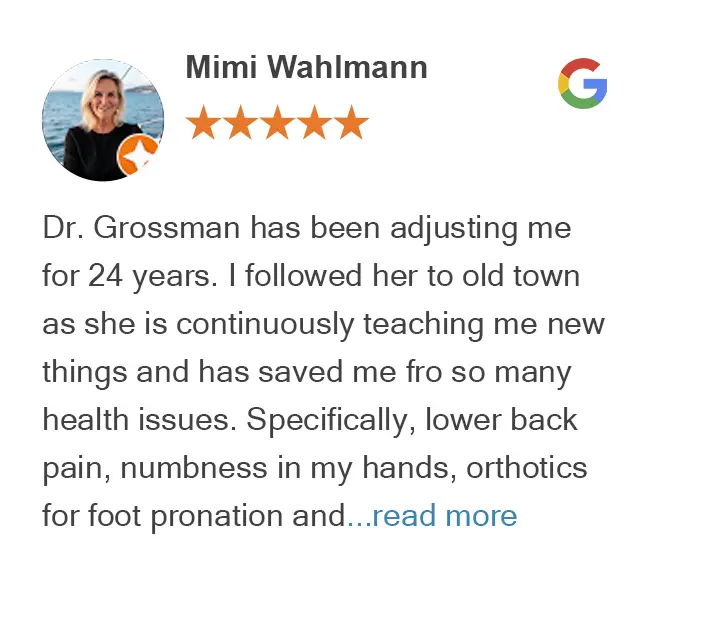




Neuropathy and Numbness Treatment Specialists in Chicago
At our Chicago Chiropractic Clinic, Dr. Elissa Grossman treats patients with neuropathy and numbness using a conservative, exam-based approach. At Chiropractic Chicago, care focuses on identifying mechanical sources of nerve irritation and using non-invasive methods to support healthy movement and nerve function. Dr. Grossman takes time to answer questions, explain findings, and guide patients through each stage of care.
Book Complimentary Consultation for Neuropathy and Numbness Treatment in Chicago
If you are experiencing back pain, Dr. Elissa Grossman, DC can help identify the cause and create a personalized care plan. Call (312) 248-3002 or book online using the booking tool below:
Can neuropathy be reversed without surgery?
Some cases improve with conservative care when nerve irritation is mechanical rather than structural damage.
How long does neuropathy treatment take?
Timelines vary based on severity, duration, and individual response to care.
Does chiropractic care help nerve regeneration?
Chiropractic care supports nerve function by reducing mechanical stress; it does not directly regenerate nerves.
Is numbness a sign of permanent nerve damage?
No. Numbness can be temporary when caused by compression or movement restriction.
Do I need imaging or tests before starting treatment?
Imaging is used only when exam findings indicate it is necessary.
How Nerve Damage Affects Daily Life and Mobility
Nerve irritation can change how the body senses movement and load, often affecting balance, endurance, grip strength, or walking and increasing strain on other areas.
Can Chiropractic Care Help Neuropathy and Numbness?
Chiropractic care addresses mechanical contributors such as joint restriction and movement stress that can worsen nerve irritation.
What Results Can You Expect from Neuropathy Treatment?
Improvement often occurs gradually, beginning with better tolerance to activity and followed by changes in sensation and function.
Is Chiropractic Treatment Safe for Neuropathy?
Care is individualized and conservative, with techniques selected based on exam findings and ongoing reassessment.
When Should You Seek Treatment for Numbness or Tingling?
Persistent, worsening, or spreading symptoms should be assessed promptly.
Chiropractic Techniques Used for Neuropathy Treatment
- Spinal adjustments to reduce nerve pressure and restore joint motion
- Soft tissue therapy to address muscle tension and nerve entrapment
- Corrective exercises to support long-term movement stability and nerve tolerance
What Is Neuropathy and Numbness?
Neuropathy refers to dysfunction or irritation of one or more nerves, which can interfere with normal sensation or muscle control. Numbness is a common symptom of neuropathy and may feel like reduced sensation, heaviness, or a pins-and-needles feeling.
Nerves rely on proper blood flow, space, and movement to function normally. When nerves are compressed, inflamed, or not moving well, often due to joint dysfunction, posture changes, or repetitive stress, signals between the brain and body can be disrupted. Neuropathy can be temporary or persistent depending on the underlying cause, which is why proper assessment is essential.
Types of Neuropathy We Treat
Peripheral Neuropathy: Affects nerves outside the brain and spinal cord, commonly causing numbness, tingling, or burning in the hands, feet, arms, or legs.
Diabetic Neuropathy: Develops in patients with diabetes and may involve changes in sensation, balance, or strength. Mechanical factors such as posture and joint motion can influence symptom severity.
Compression and Entrapment Neuropathy: Occurs when nerves are irritated by surrounding joints, discs, or soft tissues, limiting normal nerve movement and causing localized or radiating symptoms.
Common Symptoms of Neuropathy and Numbness
Tingling, burning, and pins-and-needles sensations: These sensations are often felt in the hands, feet, or legs and may become more noticeable at night or after activity.
Loss of sensation and muscle weakness: Reduced sensation, coordination issues, or weakness may affect walking, gripping, or fine motor tasks. Some patients also experience increased sensitivity to touch.
Benefits of Chiropractic Care for Neuropathy
When neuropathy is influenced by mechanical irritation, chiropractic care may help by:
- Improving joint motion and spinal mechanics
- Reducing nerve compression and tension
- Supporting better posture and movement patterns
- Enhancing functional comfort during daily activities
Outcomes vary based on severity and duration, but many patients experience improved function over time.
Neuropathy and Numbness Treatment for Diabetic Patients
For patients with diabetes, chiropractic care focuses on mechanical contributors that may worsen nerve stress, such as posture changes and joint restriction. Care is conservative and coordinated with existing medical management when appropriate. Chiropractic treatment does not replace medical care for diabetes.
Neuropathy Treatment for the Hands, Feet, and Legs
Neuropathy frequently affects the extremities because nerves travel long distances and are sensitive to mechanical stress. Chiropractic care often addresses spinal regions related to nerve supply, joint and muscle restrictions along nerve pathways, and movement habits that overload affected areas. Improving how nerves glide and tolerate load can positively influence daily mobility.